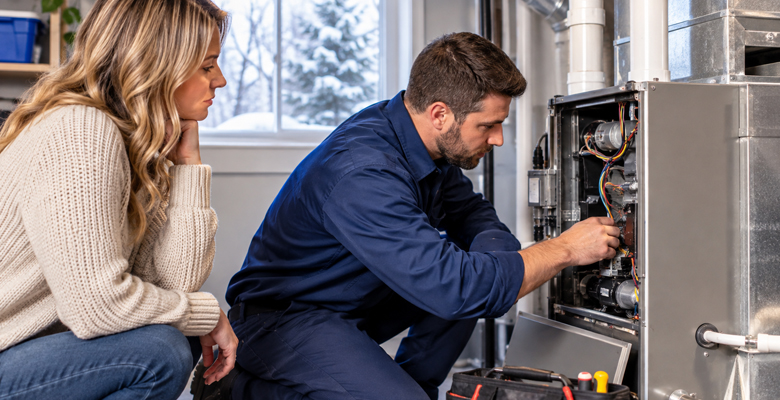
There are few things more stressful for a homeowner than waking up to a cold house during the middle of winter. When your furnace suddenly stops working, temperatures inside your home can drop quickly, creating uncomfortable and potentially dangerous conditions.
Whether you're dealing with a furnace breakdown, a power outage, or an unexpected heating system failure, knowing what to do can help protect your family, prevent costly damage, and keep everyone safe until professional help arrives.
Here are some important steps every homeowner should know when their heating system stops working.
1. Start by Troubleshooting Your Heating System
Before assuming your furnace needs major repairs, there are a few basic things you can check yourself. Sometimes, the problem is relatively simple and can be resolved without an emergency service call.
Check Your Thermostat
Start by checking your thermostat settings. Make sure it is set to HEAT mode and that the temperature setting is higher than the current room temperature. Check that the fan is set to AUTO or ON, and replace the batteries if your thermostat requires them.
Inspect Your Electrical Panel
A tripped circuit breaker or blown fuse can interrupt power to your furnace. Check your electrical panel to see if the furnace breaker has tripped. If it has, you may be able to reset it once. If it trips again, leave it off and contact a qualified HVAC technician.
Check Your Furnace Filter
A dirty or clogged air filter can restrict airflow, causing your furnace to overheat and shut down as a safety precaution. Inspect the filter and replace it if it is dirty.
If your furnace uses a standing pilot light, check whether it is operating properly. Only follow the manufacturer's instructions for checking or relighting it.
Watch for Warning Signs
If you smell natural gas, notice burning odors, or see sparks, do not attempt further troubleshooting. Leave the building immediately without operating electrical switches or creating ignition sources. From a safe location, contact your gas utility or emergency services.
2. Conserve Heat and Keep Your Family Warm
If your furnace cannot be restarted, your next priority should be keeping everyone in your household warm while waiting for repairs.
Gather Everyone Into One Room
Choose a smaller room, preferably an interior room away from exterior walls and windows. Have everyone, including pets, stay together. Closing off unused rooms can help concentrate the remaining heat.
Seal Drafts Around Windows and Doors
Cold air entering through gaps can make your home lose heat much faster. Use rolled towels or draft stoppers along the bottoms of doors. Heavy curtains or blankets can also help reduce heat loss through windows.
Dress in Warm Layers
Wear several layers of loose-fitting clothing rather than relying on one heavy layer. Thermal underwear, sweaters, wool socks, hats, and mittens can make a significant difference in maintaining body heat.
Enjoy Warm Food and Drinks
Warm meals and hot beverages, such as soup, tea, or hot chocolate, can help you stay comfortable. Choose nutritious, high-calorie foods and drink plenty of fluids. Avoid alcohol, as it can increase heat loss and impair your ability to recognize cold-related symptoms.
3. Follow Important Heating Safety Rules
When your furnace stops working, it can be tempting to find alternative ways to heat your home. However, some common household appliances can create serious safety hazards.
Never Use Your Kitchen Stove or Oven for Heat
Gas stoves and ovens are designed for cooking, not heating your home. Using them as a heat source can create dangerous carbon monoxide levels and increase the risk of fire.
Use Portable Space Heaters Carefully
Electric space heaters can provide temporary warmth when used properly. Always:
- Keep heaters at least three feet away from furniture, curtains, bedding, and other combustible materials.
- Place heaters on a flat, stable surface.
- Plug heaters directly into a wall outlet rather than an extension cord or power bar.
- Never leave a space heater unattended or operating while sleeping.
- Use models equipped with tip-over and overheat protection.
- Only use fuel-burning portable heaters that are specifically approved for indoor use, following all manufacturer instructions.
Protect Your Home From Carbon Monoxide
Carbon monoxide (CO) is an invisible, odorless gas that can be deadly. Never operate generators, barbecues, camp stoves, or outdoor propane heaters inside your home, garage, or enclosed spaces.
Keep generators outdoors, well away from doors, windows, and air intakes. Install working carbon monoxide alarms on every level of your home and near sleeping areas.
4. Protect Your Plumbing From Frozen Pipes
One of the biggest concerns during a winter heating failure is frozen plumbing. When indoor temperatures drop, water inside pipes can freeze, expand, and potentially cause pipes to burst.
A burst pipe can lead to extensive water damage and expensive repairs.
Here are a few precautions to consider:
Open Kitchen and Bathroom Cabinets
Leave cabinet doors open beneath sinks, particularly when plumbing is located along exterior walls. This allows warmer air to circulate around the pipes.
Keep Water Moving
If temperatures are dropping inside your home, allowing faucets connected to vulnerable pipes to drip slowly may help reduce the risk of freezing. Both hot and cold water lines may need protection.
Keep Interior Doors Open Where Possible
Allowing warm air to circulate throughout the home can help prevent certain areas from becoming excessively cold.
If you suspect a pipe has frozen, avoid using an open flame to thaw it. Contact a licensed plumber if you cannot safely address the problem.
5. Know When to Call an HVAC Professional
While basic troubleshooting can sometimes resolve minor furnace problems, not every heating issue should be handled by a homeowner.
If your furnace continues to malfunction, repeatedly shuts down, makes unusual noises, or fails to produce warm air, contact a licensed HVAC technician.
It is especially important to act quickly when outdoor temperatures are extremely cold or when vulnerable occupants, including young children, older adults, and people with certain medical conditions, are living in the home.
Do not wait until your house becomes dangerously cold before arranging emergency service. If indoor temperatures cannot be maintained safely, relocate to a heated location.
At 4 Seasons Heating, Cooling & Electrical, our experienced HVAC technicians can identify underlying problems, perform necessary repairs, and ensure your heating system is operating safely and efficiently.
Don't Let a Furnace Breakdown Leave You in the Cold!
Your furnace is one of the most important appliances in your home, particularly during the long, cold winter months. Regular maintenance, timely repairs, and knowing what to do during an unexpected breakdown can help prevent a stressful situation from becoming a serious emergency.
The best way to avoid an unexpected heating failure is to schedule regular furnace maintenance before the heating season begins. Our professional inspections can identify worn components, airflow restrictions, ignition problems, and other potential issues before they leave you without heat.
Need help getting your heat back on?
Don't spend another night worrying about a cold home. Contact an experienced 4 Seasons professional for furnace troubleshooting, emergency heating repairs, and reliable service to keep your family comfortable all winter long!
We're here when you need us!


